The History and Evolution of Hip-Hop
Hip-hop, which is also called rap music or simply rap, is a popular music genre that first appeared in the early 1970s. It developed alongside a related subculture within African-American and Caribbean immigrant communities in New York City. The genre is defined by a mix of many different techniques, but rapping became so common that it turned into one of its main identifying features. Other important elements of hip-hop include the disc jockey (DJ), turntablism, scratching, beatboxing, and instrumental backing tracks. Cultural exchange has always played a major role in hip-hop, as the genre both draws inspiration from its surroundings and reflects on them.
Hip-hop music and culture grew out of block parties held in minority neighborhoods of New York City, especially in the Bronx. DJs started extending the instrumental sections of popular songs after noticing how much these parts energized the audience. These longer breaks created space for break dancers and rappers to perform. The use of these breakbeats helped shape the further development of the hip-hop style. Since disco was highly popular at the time, many of the records used came from that genre. This disco-influenced sound was first called disco rap and was later referred to as “old-school hip-hop”.
By the mid-1980s, hip-hop had started to evolve in different directions as electro music began influencing the emerging new school style. The years from the mid-1980s to the mid-1990s are often described as hip-hop’s “golden age” because the genre received major critical praise and achieved huge commercial success. During this time, a number of regional scenes developed across the United States, especially on the East Coast, West Coast, and in the South, including important rap scenes in Houston, Atlanta, and Memphis. This period also introduced widely recognized styles such as G-funk, boom bap, and gangsta rap, along with more experimental forms like alternative hip-hop and jazz rap, which grew out of the Native Tongues movement, as well as progressive and conscious hip-hop.
From the late 1990s to the mid-2000s, hip-hop’s mainstream popularity continued to grow during the club-focused “bling era”. In the late 2000s and early 2010s, the “blog era” and Internet rap emerged, with young artists building their audiences online. Then, in the mid-to-late 2010s, trap music and SoundCloud rap became extremely popular, leading to the rise of several commercially successful artists. By 2017, hip-hop had become the best-selling genre of popular music in the United States, and it had also spread globally, developing distinct regional styles in different parts of the world.
Indian Hip-hop History
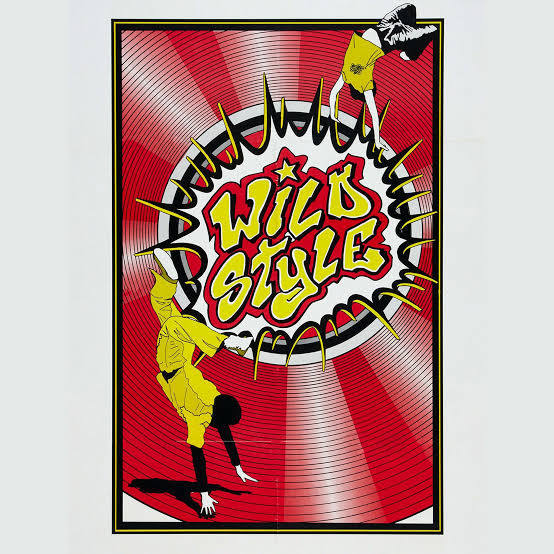
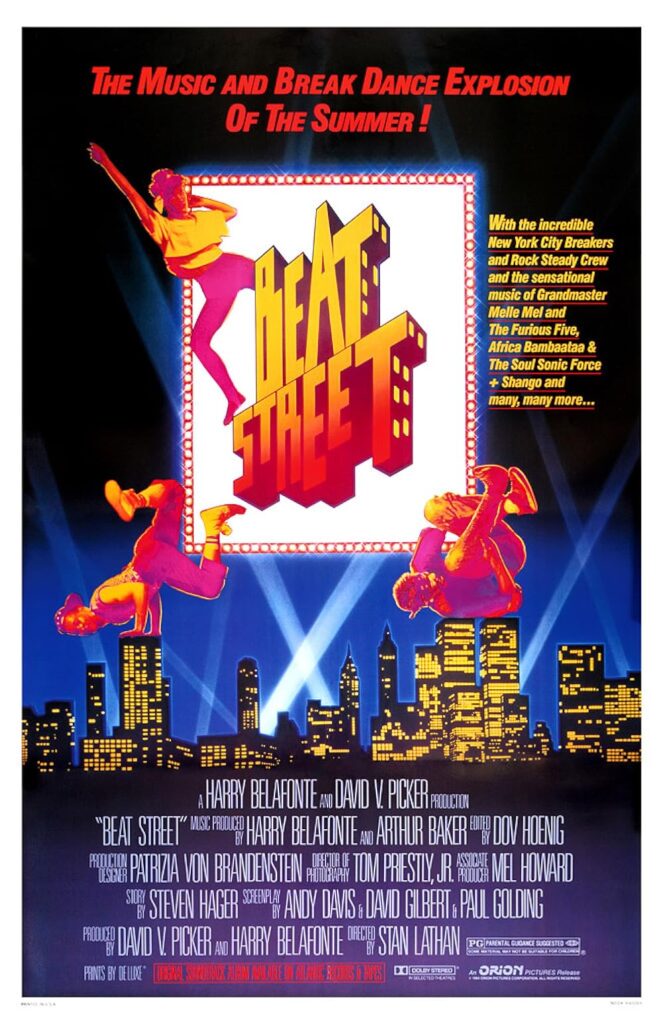
Indian hip hop emerged in the mid-1980s, influenced largely by American breakdancing films such as Wild Style (1982) and Beat Street (1984). It gradually became popular among urban youth culture in major cities like Mumbai, Delhi, Chennai, Bangalore, and Kolkata.[1] By the late 1980s, Kolkata had become a major centre for hip hop dance workshops, while Mumbai, Delhi, Bangalore, and Chennai focused more on rap. This led to the development of distinct regional hip hop scenes in local languages by the late 1990s.[1]
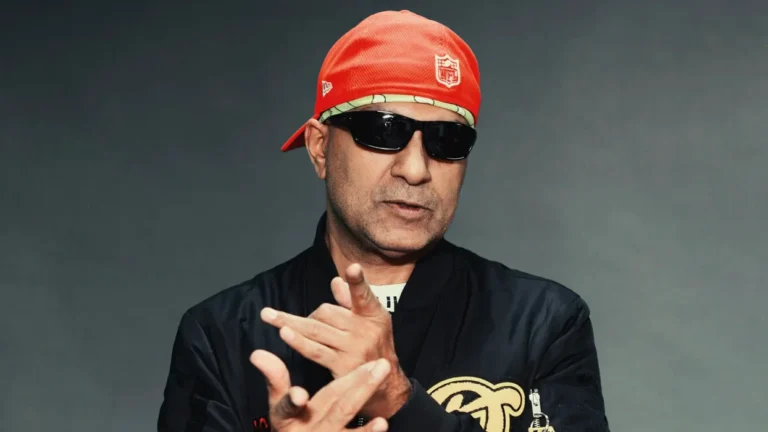
Apache Indian, a UK artist of Indian origin, was the first to make a significant impact on the UK charts with a series of hits in the 1990s.[2] His rise also coincided with the growth of Asian Underground in the UK.[3] The spread of hip hop in India has also been linked to certain clubs and DJs in New Delhi during the 1990s.[4]
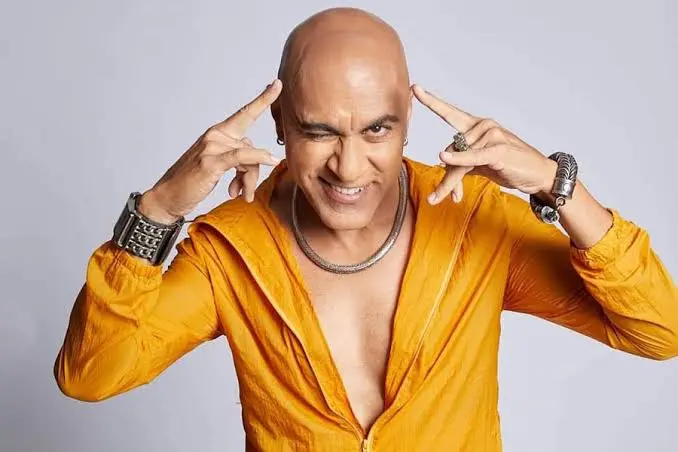
In the 1990s, Baba Sehgal introduced a caricature-like version of Hindi rap through his albums.[5][6] In 1992, his album Thanda Thanda Pani sold 100,000 copies in just three and a half months and helped bring rap music into the Indian club scene. His cadence and flow were particularly inspired by rapper Vanilla Ice.[7]
Hip hop in India developed slowly in the early 2000s, because earlier efforts by artists like Baba Sehgal and Apache Indian did not generate major buzz, mainly because their styles were more rap-oriented than representative of the broader hip-hop culture. At first, it remained limited to urban areas and niche expatriate audiences.[8] However, it gained visibility through MTV and the growing global influence of American rappers such as Eminem, 50 Cent, and Jay-Z. The release and popularity of Bohemia’s second album Pesa Nasha Pyar in 2006, which also featured veteran American rapper Snoop Dogg, is considered a turning point for Desi hip hop. This period also saw the increasing role of NRIs and cultural intermediaries in bringing essential hip hop elements like DJing, graffiti, and breakdancing to Indian audiences.[9][10] Around the same time, rapper Young Prozpekt (now KR$NA) began gaining attention with conscious hip hop tracks like “Kaisa Mera Desh” and “Lokpal Freestyle” on YouTube.[11]
Meanwhile, Yo Yo Honey Singh transformed and popularized hip hop and rap for the mainstream Indian audience. This began with the release of the track “Glassy” in 2006 with Ashok Masti, where Singh rapped in English and also produced the music himself. It was the first time Singh appeared as a main artist and rapper, since earlier he was mainly known as a music producer. Earlier tracks such as “Jhanjhar Kehndi” from his debut underground music album Desi By Nature showcased a mix of Punjabi language and hip hop, with music composed by Singh. Singh became one of the most well-known and renowned artists in India due to his popularity among millennial youth, who felt his songs had a unique ambience. The release of his debut studio album International Villager in 2011, eight years after his underground debut album Desi By Nature in 2003, pushed the genre firmly into the mainstream.[12] Singh’s crew, Mafia Mundeer, was, according to him, a platform to establish new artists in the industry. His original idea for the platform was to bring together different artists who would sing, perform, record, and release tracks without being legally bound to one another. The platform later became notable because its roster included Raftaar, Ikka, and allegedly Badshah. After their departure, artists like Alfaaz and Ninja from Punjab were also added to the group.[13][14]
There has been an ongoing debate within the hip hop community about Yo Yo Honey Singh’s contribution to the genre. Singh was one of the most famous rap artists in India and was therefore largely credited with introducing rap and hip hop to the relatively unacquainted mainstream audience in India. His appearances on tracks and the impact of his chartbuster debut album International Villager in 2011 further popularized hip hop and rap in India, even though he has often been accused of using ghostwriters and not giving proper credit.[12][15][16][17]
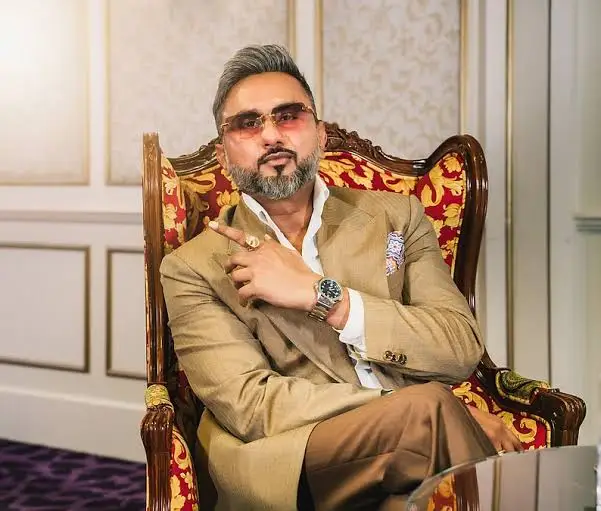
While some artists, including Badshah,[18] Ikka,[19] Manj Musik, and Bohemia,[20] have acknowledged his contribution to the industry, others such as Raftaar, who has had a long-standing beef with Singh,[20] have at times denied and at times acknowledged it. Some followers of hip hop culture in India also hold negative views about the recent commercialization of the genre, which they attribute to the influence of Singh’s music.
One of the early defining moments of Indian hip hop was the Bengali-language underground film Gandu, which told the story of a rapper’s journey and featured an innovative soundtrack known for blending rap with alternative rock.[3] Alongside Bollywood and commercial rap music, such as Abhishek Bachchan’s verse on “Right Here, Right Now” and Snoop Dogg’s appearance on “Singh Is Kinng,” the underground hip hop scene began to take shape. Many emerging rappers and their crews started generating attention in the underground circuit. Artists such as Roll Rida, Noel Sean, and groups like Machas With Attitude, Hiphop Tamizha, and Street Academics pioneered regional vernacular rap scenes. The rap-battle and cypher culture also began developing, with rappers creating a blueprint for the scene that was later shaped further by Seedhe Maut, Prabh Deep, and others in the Delhi circuit, along with communities like SpitDope and 6FU,[23][24] and rappers such as Divine in the Mumbai cypher scene.[25][26]
Indian hip hop became even more popular in India’s biggest cities, with major names like Prabh Deep and Seedhe Maut being picked up by talent management agencies such as Kalamkaar[27] and Azadi Records. They now have music videos with millions of views on YouTube, along with the cult-like fanbases they have built through their music.[28][29][30][31]
Indian film director Zoya Akhtar was deeply impressed and fascinated after listening to Naezy’s “Aafat!” and “Mere Gully Mein” with Divine. She wanted to portray the stories of these two young rappers and therefore approached Divine and Naezy with the idea of making a Bollywood film based on their lives. The film, Gully Boy, starring Ranveer Singh and Alia Bhatt in the titular roles, was released in 2019. The soundtrack included contributions from several hip hop artists such as Divine, Naezy, Rishi Rich, and others.[32] On 20 August 2019, American rapper Nas, who served as executive producer for the film, partnered with Mass Appeal Records and Universal Music India to launch Mass Appeal India and signed Divine as the label’s first artist. Universal Music Group and Mass Appeal took this step together to bring him to India and globalize the Indian hip hop scene.[33][34] Since then, Indian artists like Ikka, Tsumyoki, and Kshmr have released projects in collaboration with the label, drawing a larger audience and more revenue into the hip hop scene.[35][36][37][38]
Due to exposure through Bollywood, rap became a household term, and the production of rap music increased significantly. This is especially notable in the Punjabi music industry, where much of the credit is given to Punjabi artists such as Sidhu Moose Wala, Shubh, Karan Aujla, and Yo Yo Honey Singh, although the first three are relatively recent entrants in the industry.[39]
However, commercialization has also contributed to the expansion of the underground scene, with independent artists building strong names for themselves in Indian hip hop. Because of this, the future of hip hop in India is generally seen as positive.[21][40] The reality TV show MTV Hustle, which aired its first season in 2019, has also been credited with pushing the genre forward and giving a platform to aspiring rappers like King and others.[41] India now has many rappers performing in different languages such as Hindi, Punjabi, Marathi, Kannada, Malayalam, Tamil, Telugu, Bengali, Odia, Bhojpuri, Khasi, and others. Modern-day Indian rappers like MC Stan, Yashraj, Paal Dabba, and Hanumankind have gained significant traction because of their distinct approach to the genre, which is pushing the boundaries of Indian hip hop.[42][43][44][45]
In April 2025, Nas returned to India to perform at Mass Appeal Presents: The World Reunion—A Charity Concert, hosted by Mass Appeal India, at The Nesco Center in Mumbai. He was joined by several Indian-origin rappers, including Divine, Raftaar, Ikka, KR$NA, King, and Steel Banglez.[46]
In November 2025, the Rolling Loud Festival was held in Mumbai, with Indian artists like Karan Aujla and Divine headlining the festival alongside Western rappers Central Cee, Don Toliver, and Wiz Khalifa.[47]
Telugu hip hop became notable in the early 2000s, when artists such as Smita began building hip hop culture in the Telugu language. Her best-selling albums, Hai Rabba and Masaka Masaka, received widespread acclaim, especially in the Indian subcontinent.[48] Artists like Raja Kumari,[49] Roll Rida, Noel Sean, and Manisha Eerabathini helped start the new-age Telugu hip hop trend by incorporating rap into their music.[50] As the genre grew in popularity, these artists also began working in Telugu cinema in the late 2010s.[51][52]
Tamil hip hop is also gaining popularity in India. Other languages, such as Kannada and Marathi, are becoming increasingly popular among the masses in India as well.[53][54][55] Marathi rapper Yung DSA’s song “Yeda Yung” went viral in mid-2025.[56]